
10 月 16 日,由智利驻华使馆商务处(ProChile)主办的智利皮斯科酒之夜主题活动于北京顺利举办。来自专业媒体、商超渠道、电商平台、酒吧及餐饮行业的众多业内嘉宾齐聚现场,沉浸式感受源自南美的特色烈酒文化,共同品鉴由调酒师以智利国酒皮斯科精心创作的多款特色鸡尾酒。
在国内酒水消费市场快速迭代的当下,白兰地品类正迎来多元发展的新阶段。过去国内白兰地市场长期以传统进口干邑为消费主流,消费场景也多集中于商务宴请与礼品馈赠。而随着新一代消费群体崛起,年轻消费者对白兰地的认知不断拓宽,不再单一迷信传统老牌,愈发看重产品的风土特色、风味表现力与饮用场景的多样性,家庭小聚、居家小酌、特调鸡尾酒等新兴消费场景持续扩容,也为来自全球不同产区的特色白兰地创造了巨大的市场机遇。在此背景之下,拥有近三百年酿造传承的智利皮斯科,作为风格独树一帜的葡萄蒸馏白兰地,正逐步走进中国消费者的视野。
皮斯科是智利弥足珍贵的文化遗产,承载着这个国家近 300 年的酿酒历史。在世界最为干旱的阿塔卡玛沙漠边缘,一代代葡萄种植者与酿酒师克服严苛的自然环境,耕耘出片片绿意盎然的葡萄园。他们以不懈的坚守与精益求精的酿造理念,赋予皮斯科鲜活的生命,将智利的风土特质与民族精神凝萃于酒液之中,向全球美酒爱好者递出一张极具辨识度的智利酒水名片。
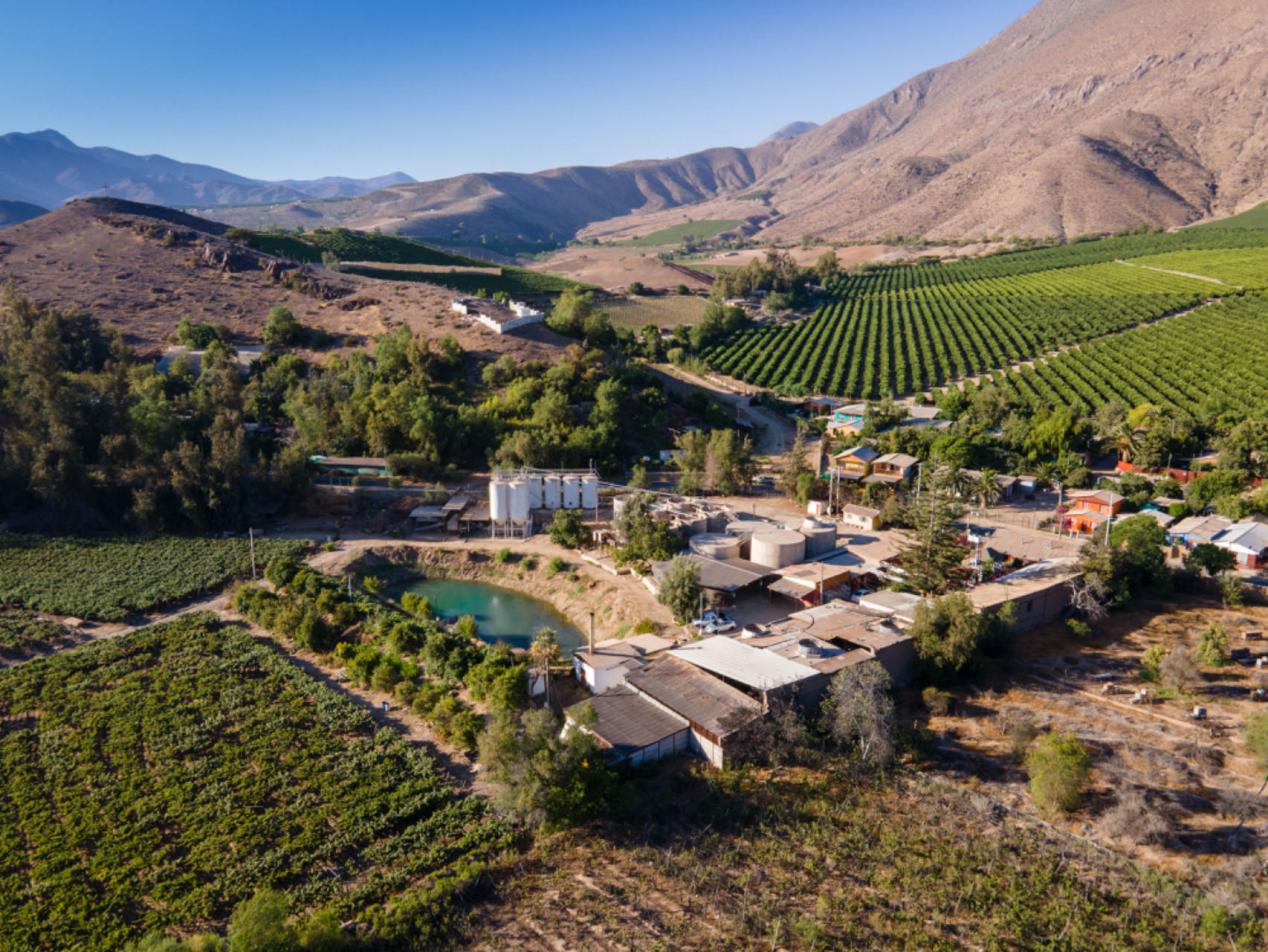
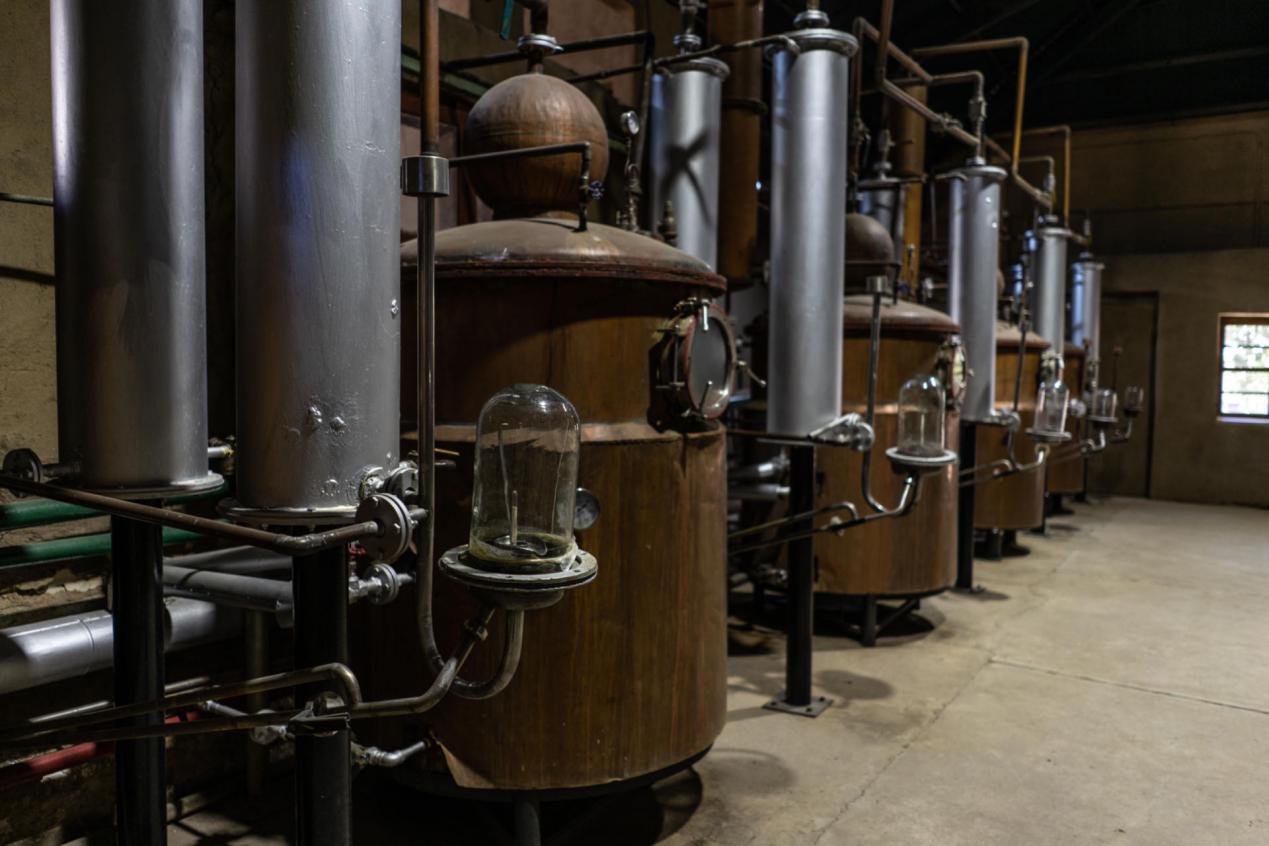
从酿造工艺来看,皮斯科属于葡萄蒸馏白兰地,它的故事与美洲葡萄酒产业的发展紧密相连。1525 年,西班牙殖民者将葡萄种苗带入美洲大陆,葡萄种植与酿酒产业就此在这片土地生根发芽。伴随智利铜冶炼工艺的蓬勃发展,本土工匠打造出性能优异的铜制蒸馏器。通过蒸馏工艺萃取葡萄酒中的酒精,既解决了高糖葡萄酒不易储存变质的难题,大幅延长酒液保存周期,更完整保留葡萄原生果香,淬炼出酒体细腻、香气馥郁的全新烈酒。18 世纪上半叶,皮斯科正式诞生于安第斯山脚下水土丰饶的埃尔基山谷,当地得天独厚的气候条件,成为酿造这款佳酿的天然沃土。
智利皮斯科拥有美洲历史最悠久、全球第二古老的原产地命名体系,其品质受到完善法律制度的严格守护。档案记载早在 1733 年,当地酒庄便已经使用 “皮斯科” 命名这款本土葡萄蒸馏酒。1874 年智利出台商标相关法案,1882 年诞生首个皮斯科注册商标 Pisco G;截至 1930 年,全国注册皮斯科商标已达 111 个。伴随着产品享誉海内外,部分产区的劣质烈酒冒用 “皮斯科” 名号流通市场,严重消耗行业积攒的口碑。为此,智利政府 1931 年颁布法令,限定 “皮斯科” 名称仅可用于北奇科两大特定大区产出的蒸馏酒,奠定美洲首个原产地命名制度的基础。
历经多次法规修订完善,如今智利法律明确划定:唯有在阿塔卡玛、科金博两大产区完成种植、生产与装瓶,且采用亚历山大麝香、玫瑰麝香、奥地利麝香、佩德罗・希梅内斯、特农迪等法定葡萄品种酿造的葡萄蒸馏酒,才能够冠以 “皮斯科” 之名。严苛清晰的法规框架,为皮斯科的生产规范以及全球化商业发展筑牢根基。
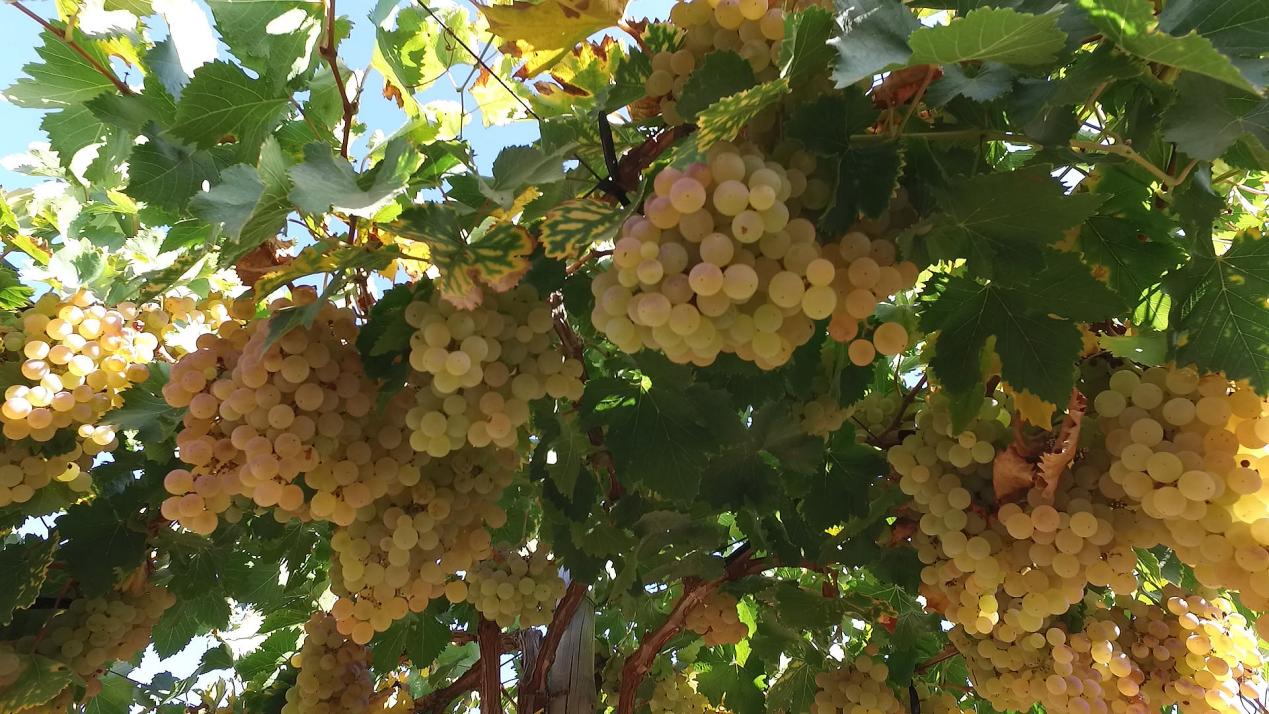
时至今日,皮斯科酿酒人依旧恪守古老酿造传统,融合现代技术打磨产品品质。目前智利皮斯科法定产区葡萄种植面积约 6800 公顷,整体年产量可达 3500 万升。法律明确规定皮斯科生产必须严格遵循四大核心工序:葡萄种植采收、发酵、蒸馏、装瓶。每年 2 月开启葡萄采摘,果实送至蒸馏厂后压榨取汁,在控温环境下酿造白葡萄酒,发酵周期平均 30 天;得到的原酒送入蒸馏器煮沸萃取酒精;蒸馏完成的酒液,必须在不锈钢罐或者法美橡木桶中静置熟化不少于 60 天,方可灌装出厂。
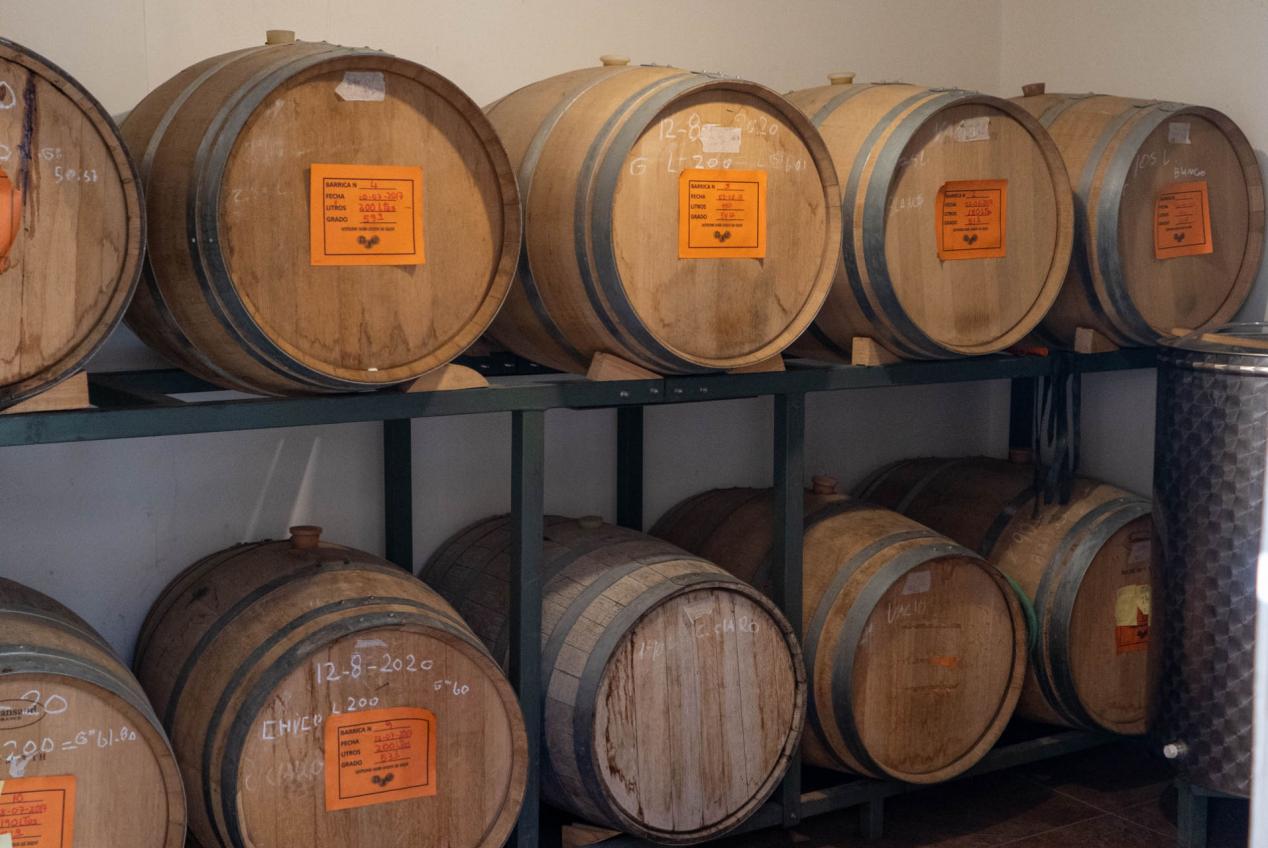
依据熟化容器与时间的差异,皮斯科分化出截然不同的产品风格。没有接触橡木材质的透明皮斯科,酒液澄澈透亮,果香鲜活充沛,风格百搭,是调制鸡尾酒的理想基酒;在橡木桶中熟化不超过一年的 “佳酿”,呈现浅黄至琥珀色泽,吸收橡木带来的馥郁层次;而橡木桶陈放超过一年的则为 “陈酿” 皮斯科。行业内双重蒸馏、三重蒸馏工艺的普及,进一步拓展了皮斯科的风味边界。
在智利本土市场,皮斯科是国民级蒸馏酒,占据国内蒸馏酒市场约 50% 份额。2009 年,智利政府正式将每年 5 月 15 日设立为 “世界皮斯科日”,让这份独特的烈酒文化获得全世界更多关注。为推进全球化布局,皮斯科生产商协会于 2003 年成立,联动政府与行业力量制定系统出口战略。时至今日,智利皮斯科已经远销五大洲 40 余个国家,美国、德国、加拿大、中国、西班牙、法国、英国均为其核心出口市场,收获各国消费者的喜爱。
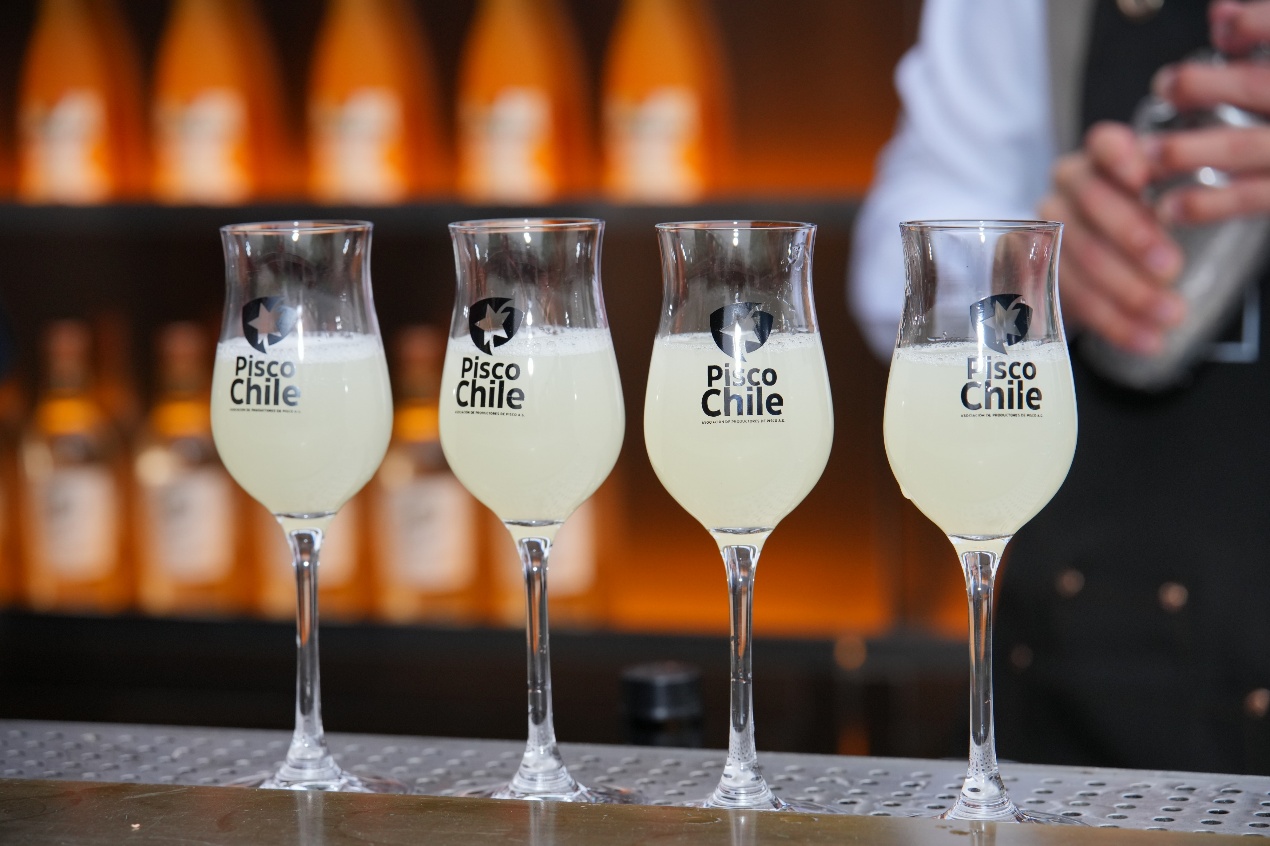
本次 “智利皮斯科酒之夜” 落地北京,正是智利皮斯科深耕中国市场的重要实践。依托活动搭建的交流平台,行业同仁近距离体验南美白兰地的独特魅力。未来,兼具深厚历史底蕴与多元饮用属性的智利皮斯科,也有望丰富国内白兰地消费选择,为中国烈酒市场注入全新的风味活力。
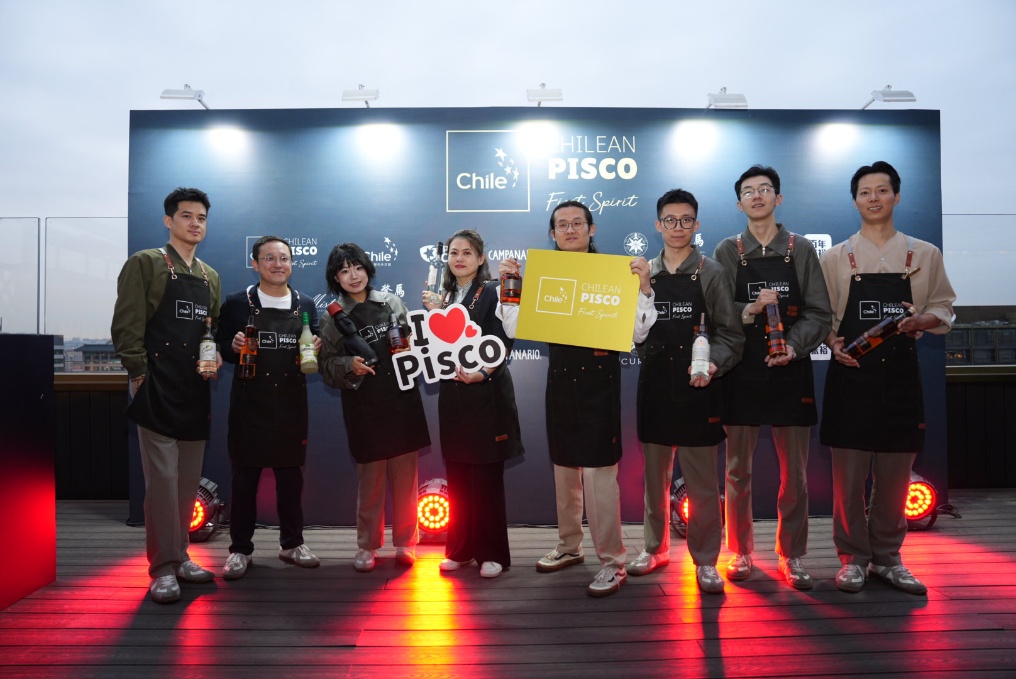
Chile Pisco Night Lights Up Beijing, South American Style Brandy Explores New Opportunities in China
On October 16, Chile Pisco Night, hosted by ProChile Commercial Office of the Embassy of Chile in China, was successfully held in Beijing. Industry guests including professional media representatives, supermarket buyers, e commerce operators, bar and restaurant practitioners gathered at the event to experience South American spirits culture and taste signature cocktails mixed with Chile’s national spirit Pisco.
China’s brandy market is undergoing profound consumption transformation. Traditionally dominated by imported Cognac mainly for business banquets and gifting, it is now driven by younger generation consumers. Chinese drinkers are seeking diverse terroir driven spirits beyond classic premium brands. New occasions such as home gatherings, casual sipping and cocktail mixing keep expanding, creating promising opportunities for world origin brandies. As a heritage grape based brandy with nearly 300 year old traditions, Chilean Pisco is gaining growing attention among Chinese consumers.
Pisco stands as a precious cultural legacy of Chile. On the edge of the Atacama Desert, one of the driest places on earth, generations of grape growers and distillers have built thriving vineyards against harsh natural conditions. With persistent craftsmanship, they infuse Chilean terroir and national spirit into every drop of Pisco, presenting a distinctive calling card of Chilean beverages to global drinkers.
Technically classified as grape distilled brandy, Pisco traces its origin to the development of American wine industry. In 1525, Spanish colonists introduced grape varieties to the Americas, kick starting local viticulture. Benefiting from Chile’s advanced copper smelting industry, local craftsmen manufactured copper stills. Distillation not only solved the preservation challenge of high sugar wine, but also retained primary grape aroma to produce fine, aromatic spirits. In the first half of the 18th century, Pisco was born in the fertile Elqui Valley at the foot of the Andes, blessed with ideal grape growing climate.
Chilean Pisco owns the oldest appellation of origin in the Americas and the second oldest worldwide, fully protected by rigorous national legislation. Historical documents from 1733 record wineries using the name “Pisco” for local grape distillates. Chile passed trademark laws in 1874, registered the first Pisco trademark Pisco G in 1882, and had 111 registered Pisco trademarks by 1930. To fight counterfeit inferior spirits misusing the Pisco label, the Chilean government issued a decree in 1931 restricting the “Pisco” designation to spirits produced in two regions of Norte Chico, laying the foundation for America’s first origin protected denomination.
Under current Chilean legislation, only spirits produced, distilled and bottled in Atacama and Coquimbo regions from authorized grape varieties including Moscatel de Alejandría, Moscatel Rosada, Moscatel de Austria, Pedro Jiménez and Torontel can legally bear the name “Pisco”. The complete regulatory framework supports quality production and global commercialization of Pisco.
Local producers keep ancestral production traditions alive combined with modern techniques. Today around 6,800 hectares are planted for Pisco grapes with an annual output of about 35 million liters. Four mandatory production phases are required: grape planting & harvesting, fermentation, distillation and bottling. Harvest normally starts every February. After pressing, grapes go through controlled temperature white wine fermentation for an average of 30 days. Base wine is distilled, and resulting spirit must rest for minimum 60 days in stainless steel tanks or French / American oak barrels before bottling.
Different styles emerge according to maturation vessels. Transparent Pisco aged without wood contact delivers bright, fresh fruity notes, perfect for cocktail mixing. “Guard Pisco” rests in oak for no more than one year, showing yellow amber hue and wood infused complexity. “Aged Pisco” spends more than one year in oak casks. Double and triple distillation further expands its aromatic spectrum.
Pisco represents about 50% of Chile’s domestic distilled spirits market. May 15 was officially declared World Pisco Day by the Chilean government in 2009. Founded in 2003, the Pisco Producers’ Association develops export strategies together with public authorities. Nowadays Chilean Pisco is exported to over 40 countries across five continents, with China among key destinations alongside United States, Germany, Canada, Spain, France and United Kingdom.
Chile Pisco Night in Beijing marks another important step for Pisco to deepen its footprint within China. This event enables industry insiders to experience the charm of South American brandy first hand. Moving forward, historic, versatile Chilean Pisco will enrich China’s brandy portfolio and bring fresh flavor possibilities to local spirits consumers.